
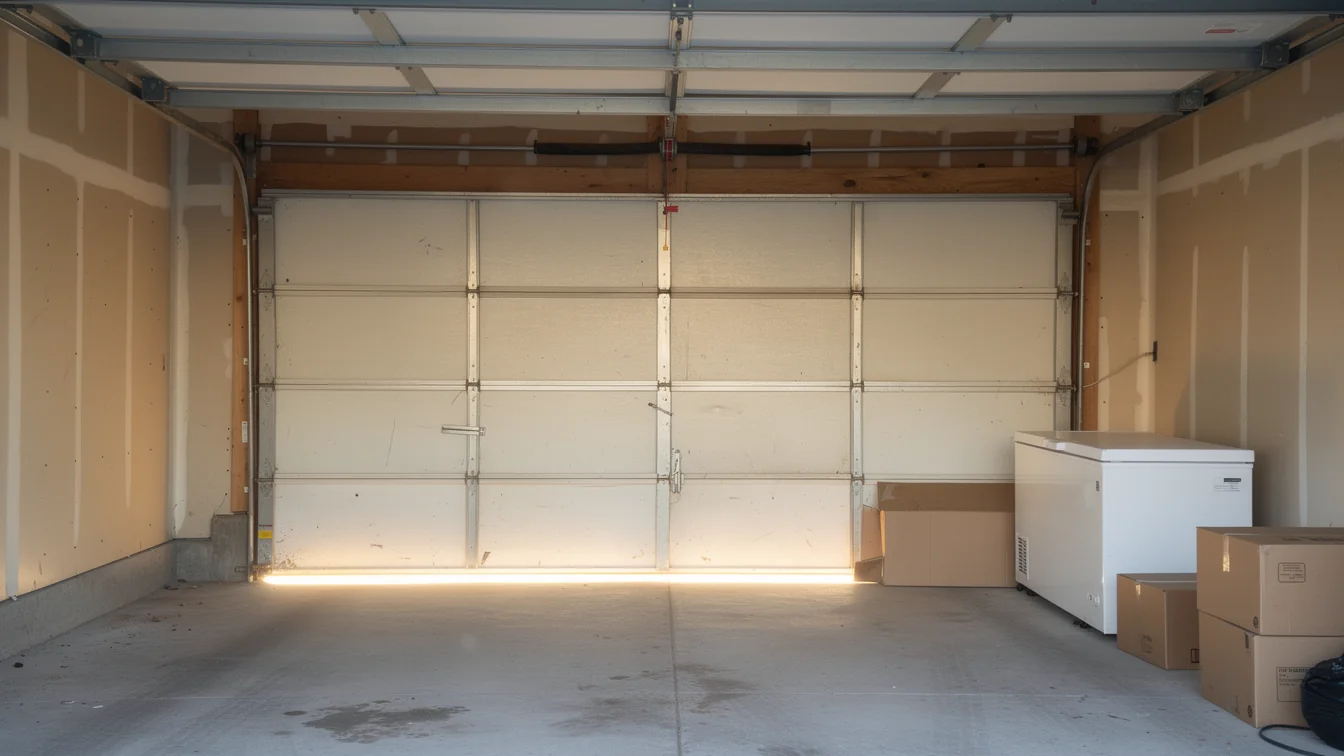
 Why So Many Apex Garage Doors Lack Insulation
Apex homes built from the 1980s through 2006 often have garage doors that predate insulation standards.
BlogApex, NC · 4 min read
Why Cold Hits Garage Door Springs Harder in Apex
In Apex homes built mostly between 1986 and 2006, torsion springs face harder cold-weather failures than in older or newer stock. Here's how to check yours.
Local detail
How Local Conditions Play In
Apex sits in a cold-moderate climate band, not the deep-freeze country further north, but cold enough that steel spring wire loses some flex every winter. That matters more here than it would in a warmer spot, because most of the housing stock in this service area went up between 1986 and 2006, with a good chunk of it clustered in four distinct pockets built out during the 1980s and 90s. A torsion spring installed when a house was built in that window has already logged two to three decades of cycles before it ever sees a hard cold morning. Cold doesn't cause the failure by itself. It's the last straw on a spring that was already near the end of its rated life. With 25,464 households and 6,065 owner-occupied houses spread across this area, a lot of garages are carrying original or first-replacement hardware sized for a door and a decade, not for how the door gets used today. The spring doesn't know the calendar. It knows cycle count and temperature, and in Apex those two things tend to arrive together in January and February mornings.
The area
The Common Mistake
The mistake we see most is treating a stiff, noisy door on a cold morning as normal and just giving it more force - leaning on the wall button, yanking the manual release, forcing the opener to push through resistance it shouldn't have to fight. A spring that's lost tension from cold contraction, or that's already fatigued from age, doesn't need more force. It needs to be looked at. Another version of the same mistake: spraying general household oil on the spring coils thinking that'll fix stiffness. It doesn't address wire fatigue, and it can attract grit that makes things worse. The door isn't stiff because it's dirty. It's stiff because a 20-plus-year-old spring, sized for a house built in the 1986-2006 window, is doing less work in cold air than it did when it was new. Pushing through that with the opener motor is how you turn a spring job into a motor and spring job.
What we find
The Problem
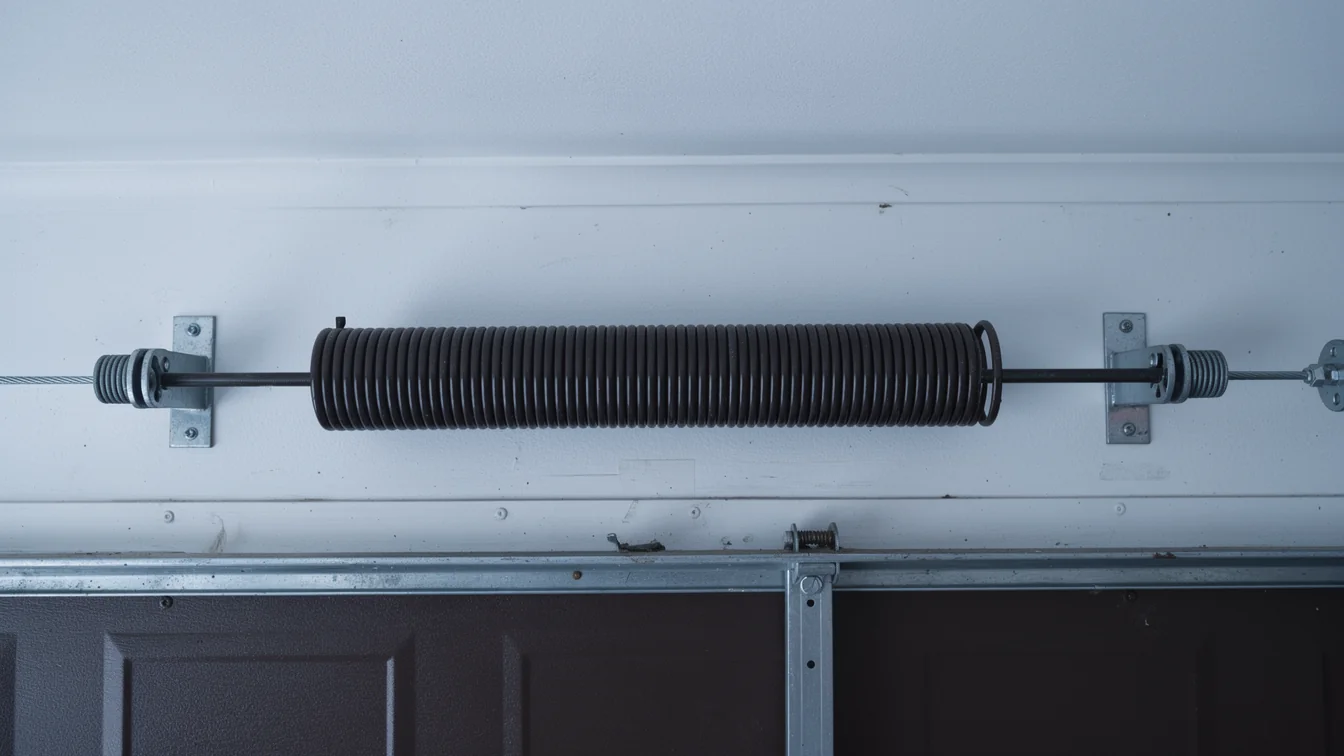
Torsion spring steel is rated for a certain number of open-close cycles at a given temperature range. Cold air makes the wire slightly less elastic, so the same lift it handled in July takes more out of it in January. On a spring that's already most of the way through its cycle life - common in houses from the 1986-2006 era that haven't had the springs replaced since - that extra strain in cold weather is often what pushes it past the breaking point. It usually lets go all at once, with a loud bang, not a slow weakening you'd notice coming. One honest limitation here: we can't tell you over the phone whether a specific spring is close to failing. Age and build era point to higher risk, but the only real check is a look at the coils and the door's balance in person.
How we work
Checking It Yourself
You can do a basic visual check without touching the spring. With the door closed and the opener disconnected, look at the torsion spring above the door - if you see a visible gap or separation in the coils, it's already broken or about to be. Rust streaking down the coils is another sign the spring has been under stress longer than it should. You can also test balance: with the opener disconnected, lift the door halfway by hand. It should stay roughly in place. If it drops or shoots up, the spring's tension is off, which cold weather will only make worse. Don't try to adjust or replace the torsion spring yourself - it's under enough tension to cause real injury, and that part of the job isn't a weekend fix. If your door is stiff on cold mornings or the balance test fails, that's the point to call it in.
Questions
Common questions
Why did my spring break on such a cold morning?
Cold air makes spring wire slightly less flexible, so a spring that's already near the end of its cycle life - common in houses built in the 1986-2006 window across this area - often fails on the first hard cold snap rather than a mild one. The cold is usually the trigger, not the root cause.
Is this just an Apex problem?
The same pattern shows up anywhere with this climate and this housing age, including nearby Morrisville, Pittsboro, Angier, and Carrboro. It's tied to build era and winter temperature swings, not anything unique to one street or neighborhood.
Can I just lubricate the spring to stop the stiffness?
Lubricant helps rollers and hinges but won't restore a fatigued spring's tension or fix cold-contraction stiffness. If the door feels harder to lift on cold mornings, that's a sign to check the spring and balance, not a sign to oil more.
How do I know if my spring is original to the house?
If you haven't had spring work done since moving in and the house was built in the 1986-2006 range typical of this area, there's a good chance it's either original or a first replacement that's now also aging. A visual coil check is the only way to confirm.
Recommendation
You Might Also Like
More garage door guides for Apex homeowners.
Why So Many Apex Garage Doors Lack Insulation
Apex homes built from the 1980s through 2006 often have garage doors that predate insulation standards.
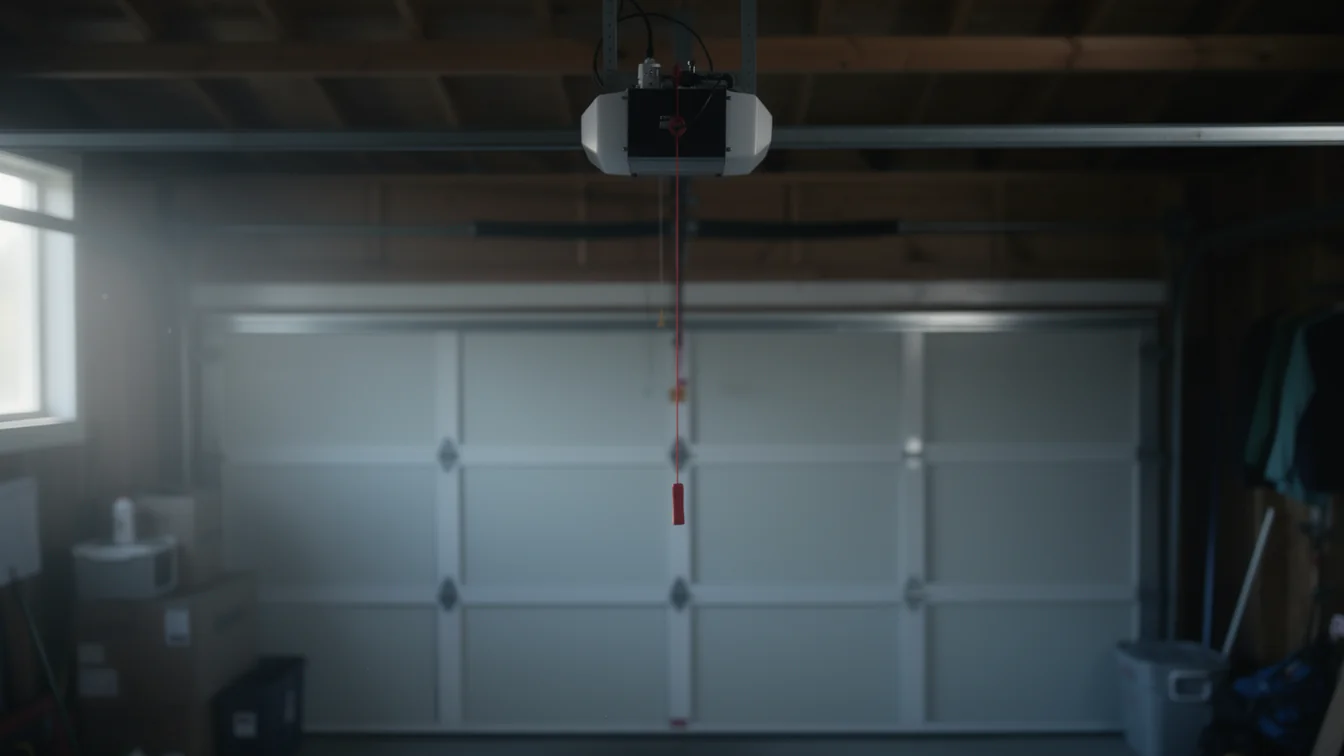 Openers and Power Cuts in Apex Homes
Most Apex houses date to the 1986-2006 build wave, and that matters when the power drops.
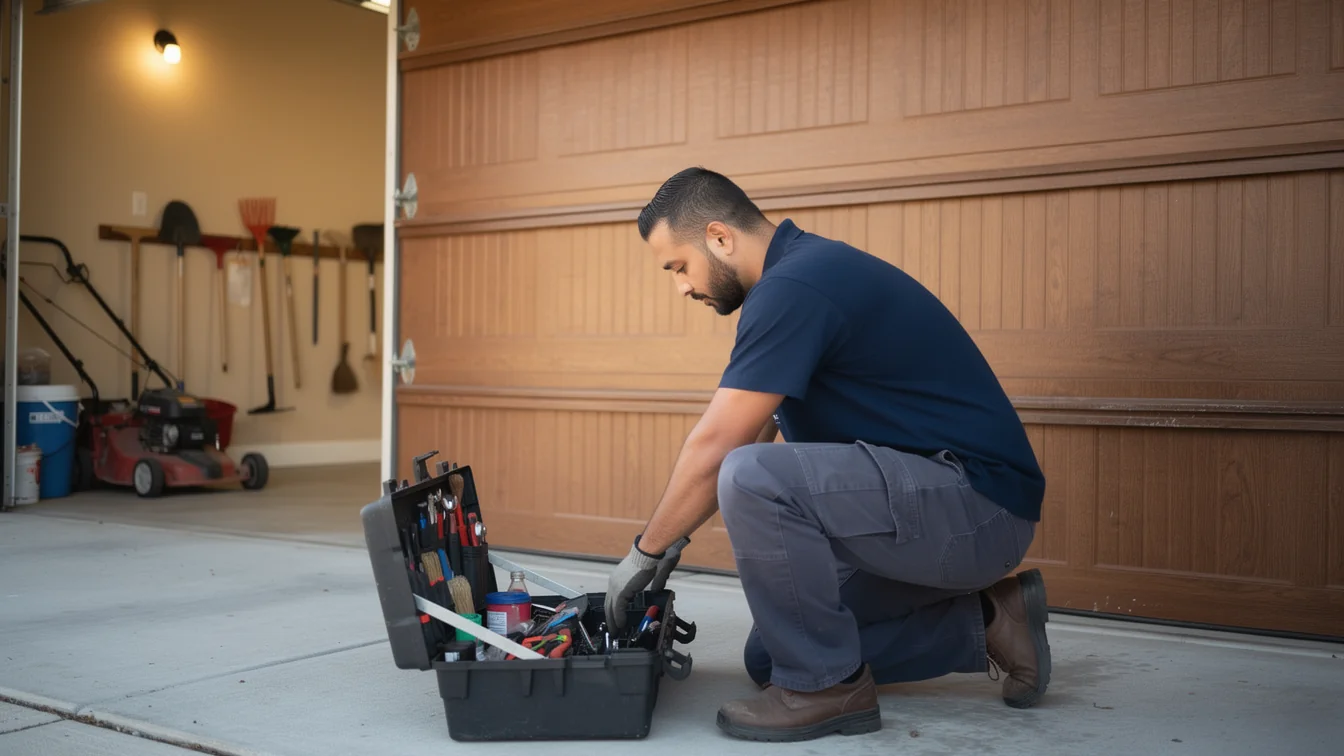 What a Garage Door Service Call Covers in Apex
In Apex, most houses date to 1986-2006.
Ready when you are
Need a garage door sorted in Apex?
Apex Garage Door Co repairs and installs garage doors, springs and openers in Apex, NC and the surrounding area.