
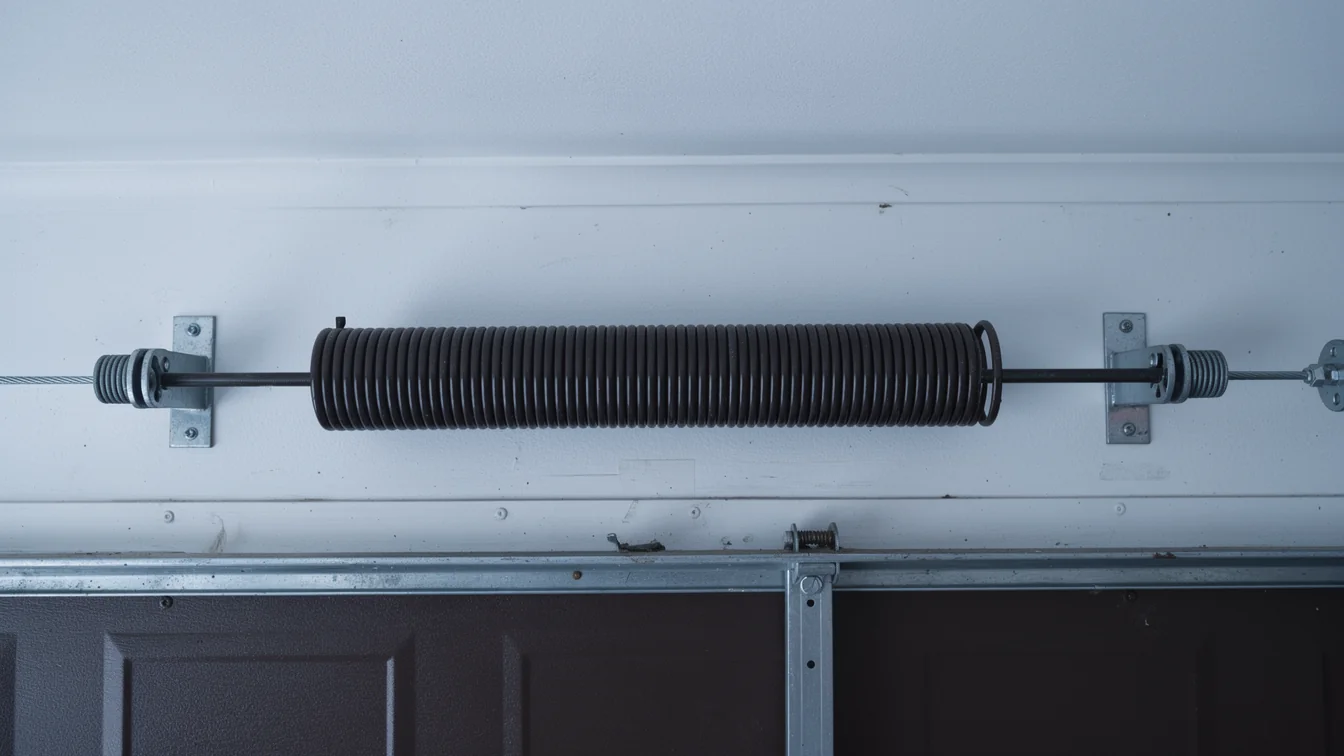
 Why Cold Hits Garage Door Springs Harder in Apex
In Apex homes built mostly between 1986 and 2006, torsion springs face harder cold-weather failures than in older or newer stock.
BlogApex, NC · 4 min read
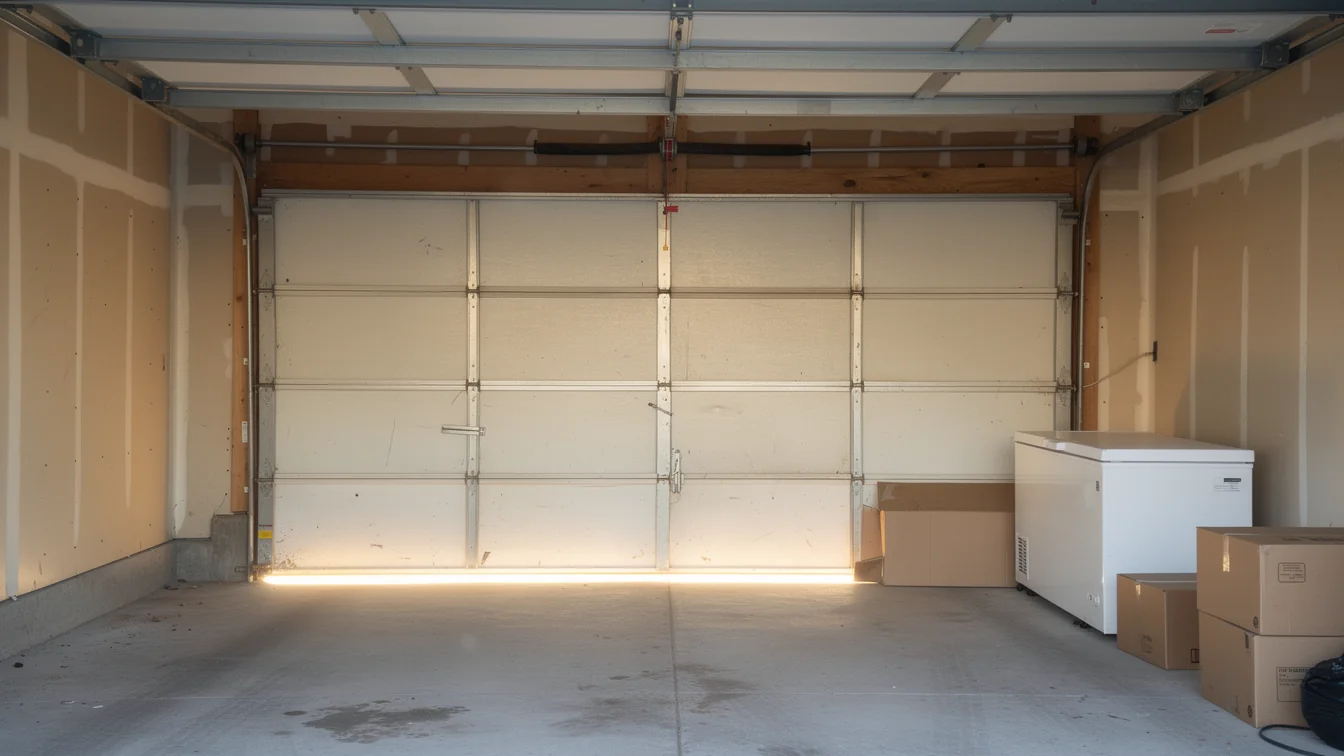
Why So Many Apex Garage Doors Lack Insulation
Apex homes built from the 1980s through 2006 often have garage doors that predate insulation standards. Here's what that means for comfort and repair in a cold-moderate climate.
Local detail
How Local Conditions Play In
Most of the garage doors we work on in Apex sit on houses built between 1986 and 2006, with the bulk of that stock dating to around 1998. That run of construction matters because garage doors from that period were rarely treated as part of the building envelope. They went in as a single layer of steel, sometimes with a thin vinyl backing, because nobody was thinking about the garage as conditioned space. Apex sits in a cold-moderate climate band, which means winter mornings dip enough that an uninsulated door turns the garage into the coldest room in the house, and it stays that way until the sun gets on the slab. If your house falls into the four main pockets of 1980s-90s stock around town, there's a good chance your door is original or a like-for-like replacement that copied the same build. That's not a flaw in the house. It's just what builders used at the time, everywhere in this part of the state.
The area
The Common Mistake
The mistake we see most is someone noticing the cold air coming off the garage door and solving it by weatherstripping the bottom seal, then stopping there. On a door built before insulation rules tightened, the seal was never the main leak. The panel itself is a sheet of steel with nothing behind it, so heat moves straight through the metal regardless of how tight the edges are. You can spend a Saturday on foam tape and gain almost nothing, because the problem is the door's construction, not its fit. The other version of this mistake is assuming an insulated-looking door is actually insulated. Builders in the 1986-2006 run sometimes used a doubled steel skin for strength or sound, which looks like an insulated panel from the driveway but carries no foam core and no real R-value. The only way to know is to check the edge of the door where the layers meet, or pull the panel apart at a seam if you're already replacing weatherstrip.
What we find
The Problem
An uninsulated steel door on a house from this era does two things that cost you. First, it transfers cold straight into the garage, and if the garage shares a wall with living space, that cold migrates into the house. Second, the steel itself can warp slightly with temperature swings typical of our winters, which throws off the track alignment over years and shows up as a door that binds or runs rough on one side. We see this pattern often enough in the 1980s-90s stock around Apex that it's worth checking before you assume a rough-running door needs a new opener. Replacing the door with an insulated panel solves the temperature problem outright. It won't fix a track that's already bent or a spring sized for a lighter door, so if you're planning the swap, get the track and spring checked at the same time rather than bolting a heavier insulated door onto hardware sized for the old one.
How we work
Checking It Yourself
Open the garage on a cold morning and put your hand flat on the inside of the door panel. If it's as cold as the outside air within a few minutes, you've got no meaningful insulation, which lines up with what we'd expect from a door built in that 1986-2006 window. Next, look at the panel edge or a cut seam: a true insulated door shows a foam core between two steel skins, usually an inch or more thick. A door with nothing there is just steel, and no amount of weatherstripping changes that. One honest limitation here: we can't tell you the R-value of your specific door without seeing it, since manufacturers varied even within the same build years, and we don't have a database that maps every model from that era. If you want a straight answer on whether yours is worth insulating or worth replacing, that's a call we can make in person, not over the phone.
Questions
Common questions
Why is my garage door from the 1990s so cold to the touch in winter?
Most Apex houses in that build range got a single layer of steel with no foam core, since insulated garage doors weren't standard practice yet. The steel has nothing to block heat transfer, so it tracks close to the outside air temperature. That's expected for the era, not a sign the door is failing.
Can I add insulation to my existing door instead of replacing it?
You can add rigid foam panels or kits to the back of most steel doors, and it helps some. It won't match a factory insulated door with a bonded foam core, and on an older door it adds weight the original spring may not be sized for, so check the spring before you add panels.
Does an insulated door actually matter in Apex's climate?
Apex sits in a cold-moderate band, so winters aren't extreme, but mornings do get cold enough that an uninsulated door makes the garage noticeably colder than the rest of the house, especially if the garage shares a wall with living space. It's a comfort and sometimes a pipe-freezing concern more than a severe-weather one.
Recommendation
You Might Also Like
More garage door guides for Apex homeowners.
Why Cold Hits Garage Door Springs Harder in Apex
In Apex homes built mostly between 1986 and 2006, torsion springs face harder cold-weather failures than in older or newer stock.
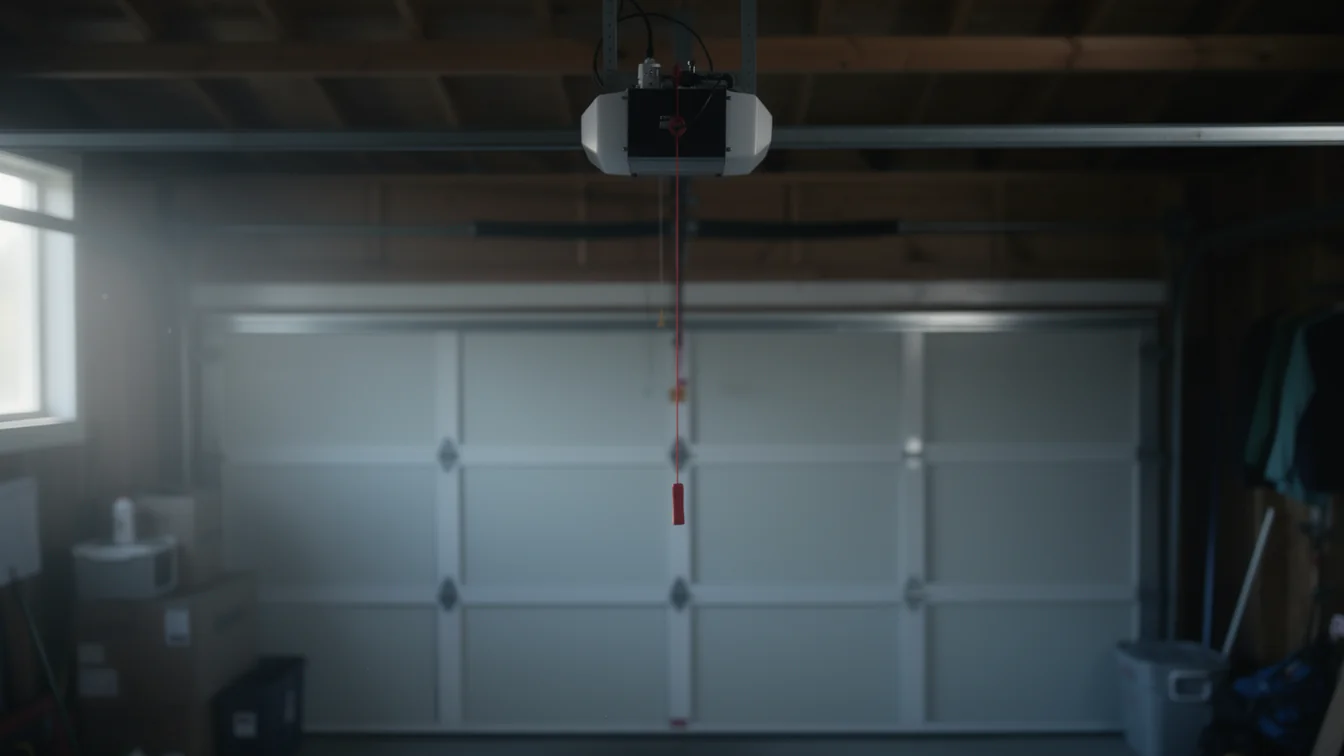 Openers and Power Cuts in Apex Homes
Most Apex houses date to the 1986-2006 build wave, and that matters when the power drops.
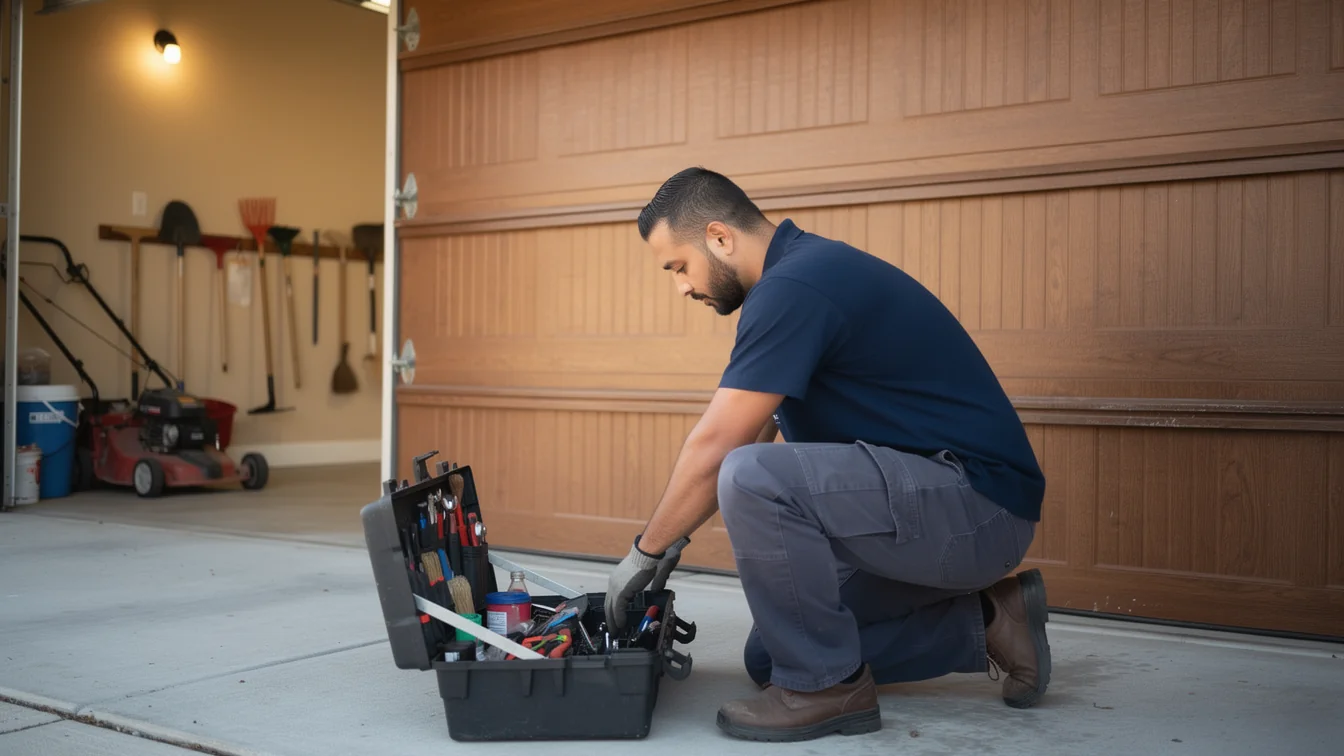 What a Garage Door Service Call Covers in Apex
In Apex, most houses date to 1986-2006.
Ready when you are
Need a garage door sorted in Apex?
Apex Garage Door Co repairs and installs garage doors, springs and openers in Apex, NC and the surrounding area.