
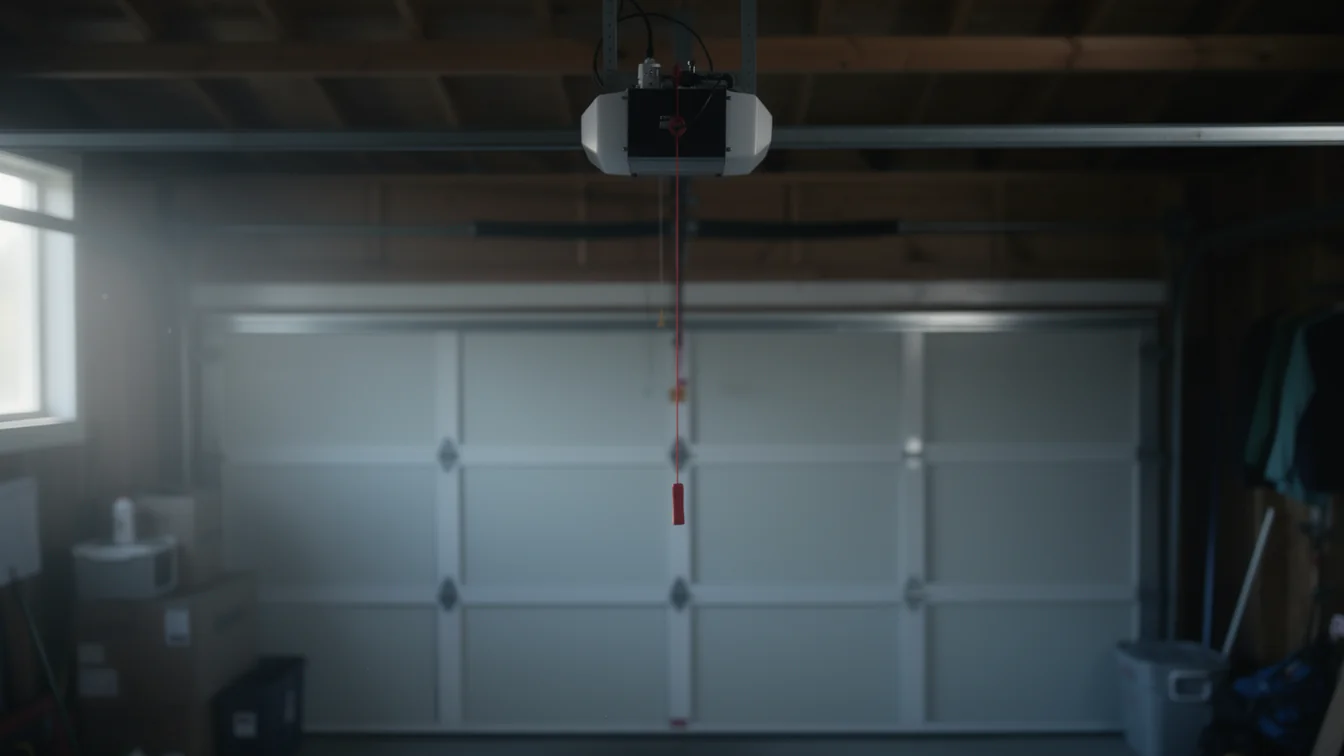
 Openers and Power Cuts in Apex Homes
Most Apex houses date to the 1986-2006 build wave, and that matters when the power drops.
BlogApex, NC · 4 min read
Is Your Apex Garage Door Worth Repairing, or Done
Most Apex garage doors date to the 1986-2006 building boom. Here's how to tell if yours is worth repairing or past the point, based on age and local winters.
Local detail
How Local Conditions Play In
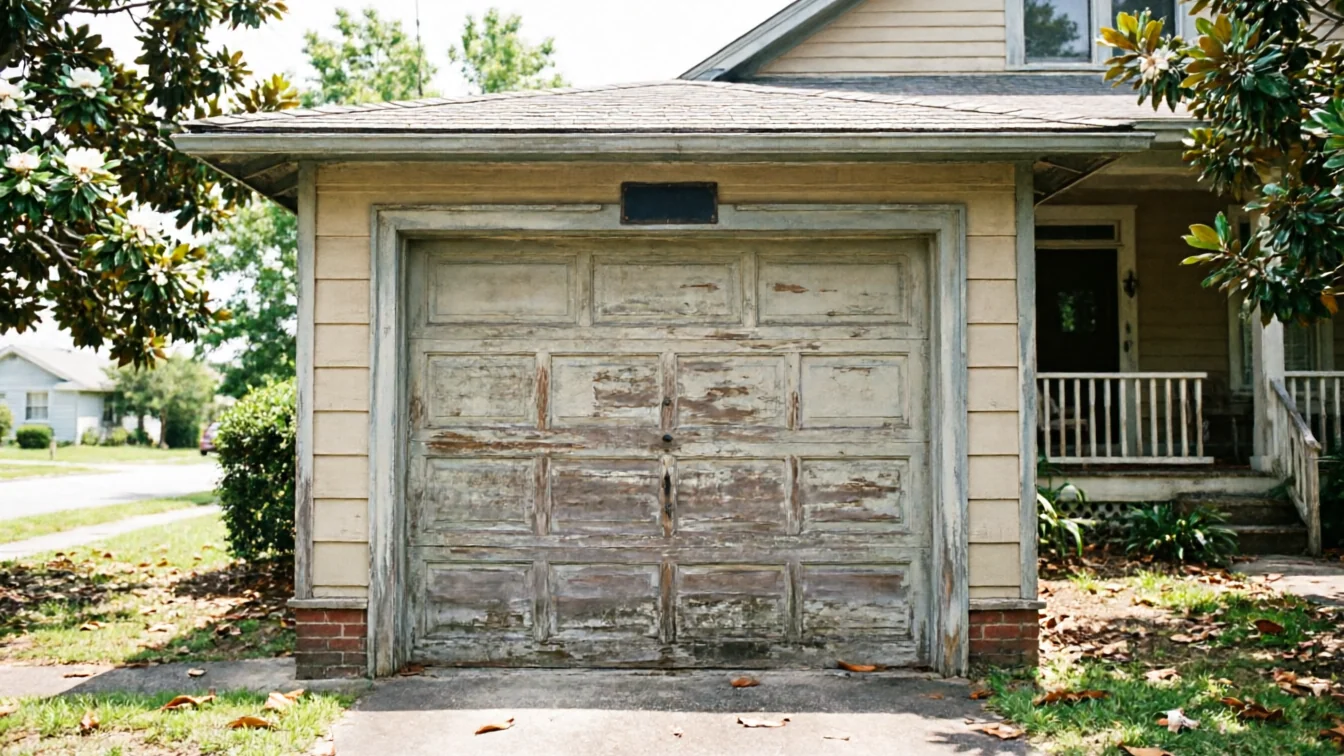
Apex grew fast between 1986 and 2006, and most of the housing stock across the four main areas of town dates from that window, with a median build year around 1998. That matters for repair decisions because a door installed during that boom is now somewhere between 20 and 38 years old. Springs, rollers, and openers from that era weren't built to last forever, and a lot of the original hardware is still out there, quietly wearing down.
We're in a cold-moderate climate band here, not the Deep South and not New England. That means winter swings are real but not brutal: metal tracks contract in the cold, torsion springs lose a bit of tension over repeated freeze-thaw cycles, and steel panels on older doors can develop rust at the bottom corners where condensation collects. It's not dramatic damage, but it adds up over three decades faster than it would in a warmer climate, and slower than it would somewhere with harder freezes.
So when we look at a door built during that late-80s-through-mid-2000s run, we're not guessing at its age. We know roughly when the house went up, and that tells us a lot about what's inside the door before we even touch it.
The area
The Common Mistake
The mistake we see most in Apex is treating every repair on an older door as a sign the whole unit needs replacing. A homeowner calls about a noisy roller or a slow opener and assumes, because the house is from the late 90s, that the door is simply old and should go. That's backwards thinking in a lot of cases.
A single bad component on a door from that 1986-2006 window doesn't mean the rest of the door is failing. Steel panels from that period were generally built solid, and if the panel itself isn't dented, cracked, or rusted through, replacing a spring, a roller, or a section of track is usually cheaper and just as effective as swapping the whole door. The other mistake runs the opposite direction: patching a door that's genuinely at the end of its life, one repair at a time, instead of recognizing that the cumulative cost of three or four fixes in two years has already passed what a new door would run.
What we find
The Problem
The real issue with a door built in that 1986-2006 stretch is that the parts aren't standardized the way newer hardware is. Torsion springs and track hardware from that era often came in sizes and mounts that don't match what's on the shelf today, so a repair can mean sourcing an older-spec part or adapting a modern one to fit. That's doable, but it's not instant, and it's worth knowing going in.
Cold-moderate winters here also mean that a door's weatherseal and bottom panel take a slow beating year after year, even without any single dramatic event. On a door built before 2000, that seal has usually been replaced at least once already, and the panel underneath it is where we look first for rust or warping before deciding whether the door is a repair or a replacement candidate.
How we work
Checking It Yourself
Before you call anyone, there's a quick way to get a read on your own door. First, look at the bottom panel from outside, at ground level - rust bubbling through the paint or a soft, spongy feel when you press on it is a sign the steel is going. Second, pull the manual release and lift the door by hand. If it's heavy, drags, or doesn't stay up on its own partway, that's spring tension loss, which is a repair, not a replacement, on most doors from the 1986-2006 era.
Third, check the tracks for rust at the bottom few feet, which is the section most exposed to ground moisture through our winters. Surface rust is fine. Flaking or pitted metal means the track itself may need replacing. None of this tells you for certain what a door needs, but it tells you whether you're looking at a straightforward fix or something more involved before anyone shows up.
Questions
Common questions
My garage door is from the late 1990s - is it too old to repair?
Not necessarily. A lot of Apex houses were built between 1986 and 2006, and doors from that era are often still structurally sound. If the panels aren't rusted through or dented, a worn spring or opener is usually a straightforward repair, not a reason to replace the whole door.
Why do older doors in Apex seem to need more spring work?
Our cold-moderate climate puts doors through repeated freeze-thaw cycles each winter. Over 20-plus years, that gradually reduces torsion spring tension, which is normal wear rather than a sign the whole door is failing.
How do I know if it's cheaper to fix or replace?
If you've already paid for two or three separate repairs in the past couple years, add up what you've spent. On a door from the 1986-2006 building era, once repair costs start approaching replacement cost, replacement usually makes more sense.
Do you carry parts for older doors on the spot?
Not always. Hardware from the 1986-2006 period sometimes uses sizes that aren't common on current shelves, so some repairs need a part ordered rather than fixed same-visit. We'll tell you upfront if that's the case for your door.
Recommendation
You Might Also Like
More garage door guides for Apex homeowners.
Openers and Power Cuts in Apex Homes
Most Apex houses date to the 1986-2006 build wave, and that matters when the power drops.
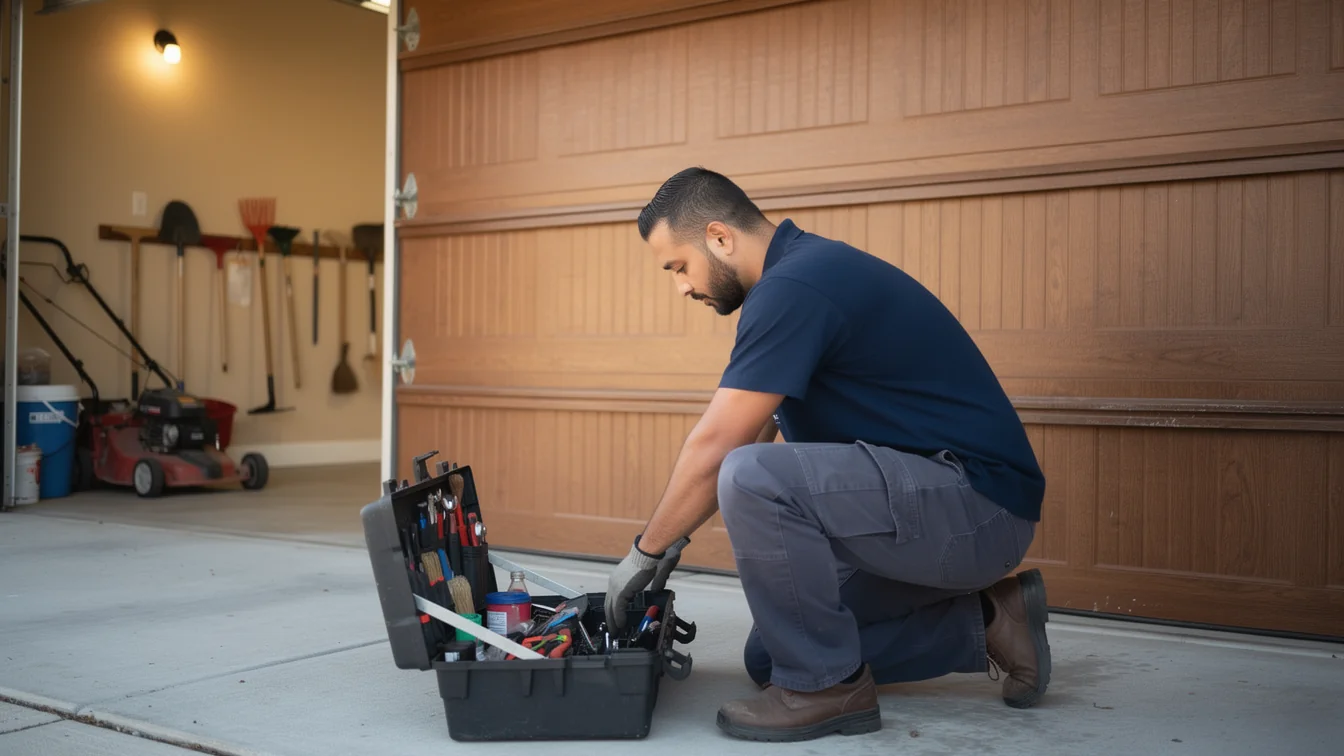 What a Garage Door Service Call Covers in Apex
In Apex, most houses date to 1986-2006.
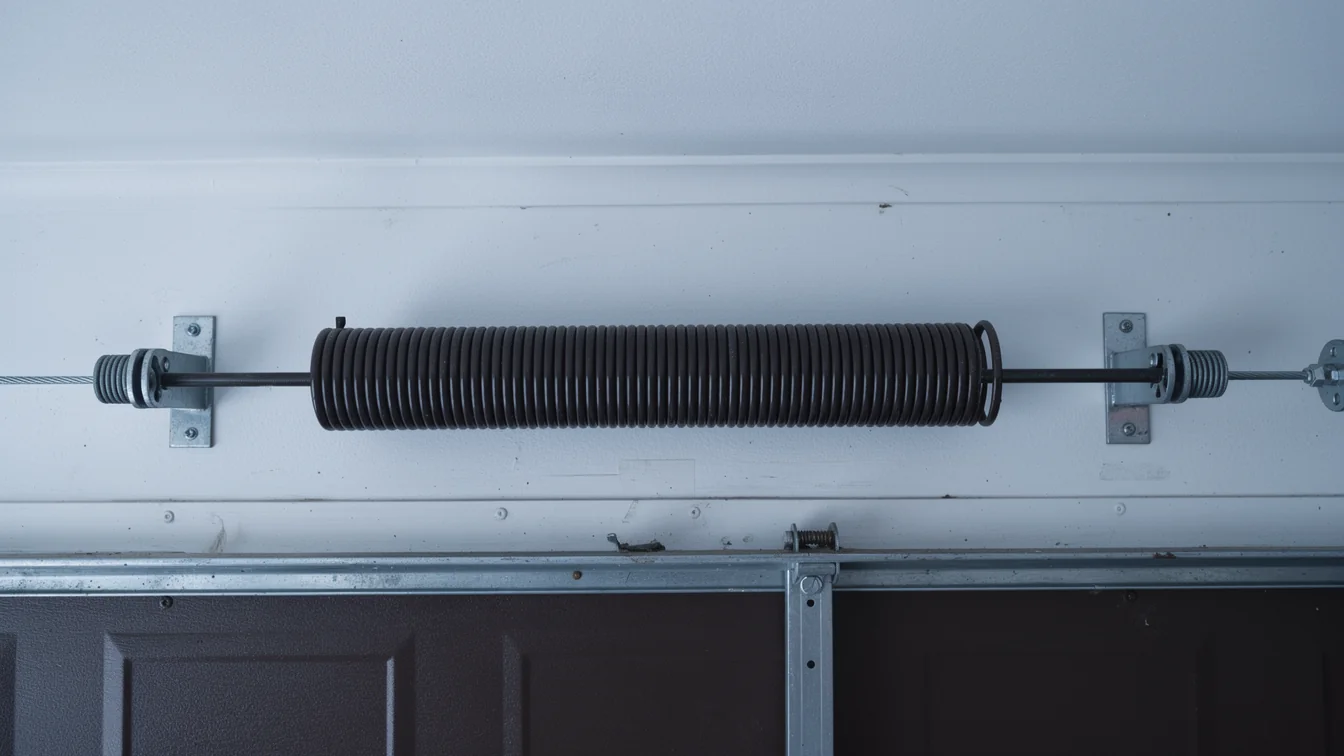 Why Cold Hits Garage Door Springs Harder in Apex
In Apex homes built mostly between 1986 and 2006, torsion springs face harder cold-weather failures than in older or newer stock.
Ready when you are
Need a garage door sorted in Apex?
Apex Garage Door Co repairs and installs garage doors, springs and openers in Apex, NC and the surrounding area.